Spot vs Futures Trading Risk Management in 2026
Every year, thousands of traders enter the market with a single dream: to turn a small capital into a life-changing amount. However, according to reports, more than 90% of traders lose all their capital within just one year.
This is a fact because these traders—whether in spot and futures trading—fail to follow proper risk management and treat both spot vs futures markets as if they are the same.
Especially in 2026, the crypto market has become much more volatile than before, causing traders to lose all their capital in just one or two days because they do not properly follow risk management in either spot or futures trading.
If you truly want to become a successful trader in 2026, it is essential to understand what spot or futures trading are, how to survive in both markets, and how to properly follow risk management for both. Only then can you avoid heavy losses to a large extent and make a profit in trading.
The purpose of today’s guide is also to explain how to follow risk management in spot vs. futures trading, what spot vs. futures trading actually is, and you will get to learn a lot more in this guide. So, let’s get started.
What is Spot Trading?
First of all, let’s understand what spot trading is. Spot trading means buying or selling an asset immediately at the current market price (“spot price”). When you buy Bitcoin on the spot market, you actually become the owner of that Bitcoin. No borrowed money, no leverage, and no expiry date.
Key Characteristics of Spot Trading
- You are the full owner of the underlying asset
- There is no liquidation risk because there is no borrowed capital
- Profit comes only from price appreciation (or avoiding loss by holding through a dip)
- Low stress, slow pace, ideal for beginners and long-term holders
Spot trading is generally considered a safer entry point in crypto, especially for those who are currently learning fundamental analysis and market sentiment — these are the skills that decide whether an asset is actually worth holding or not.
If you want to learn good fundamental analysis, we have created a guide on this. By reading it, you can understand what a good fundamental analysis is What is Good Crypto Fundamental Analysis & How is it Done?.
What is Futures Trading?
Now let’s talk about what futures trading is. Futures trading is a derivative contract that allows you to speculate on the future price of an asset without owning that asset. The real danger — and the real opportunity — comes from leverage, which allows traders to open a position several times larger than their actual capital.
Key Characteristics of Futures Trading
- You can go long (bet on the price increasing) or go short (bet on the price falling)
- Leverage amplifies both gains and losses
- If the market moves against you, positions can be liquidated
- Funding fees, margin calls, and volatility can wipe out an account in minutes
This is where most new traders lose their money. A 10x leveraged position only requires a 10% adverse move to completely wipe out 100% of the margin. In a market where 5–15% daily swings are normal, undisciplined futures trading is basically gambling with extra steps.
Spot vs Futures Trading: Quick Comparison
| Factor | Spot Trading | Futures Trading |
| Asset Ownership | Yes | No (Contract only) |
| Leverage Available | No (Usually) | Yes, up to 20x–125x |
| Liquidation Risk | None | High |
| Suitable For | Beginners, long-term investors | Experienced, disciplined traders |
| Emotional Pressure | Low | Extremely High |
| Loss Speed | Slow | Extremely Fast |
Why Do 90% of Traders Lose Money?
90% is not just a random number; it is a harsh reality. According to reports, only 1% to 2% of retail traders survive in the crypto market and make a profit. Let’s find out the truth behind how these 90% of traders lose their money.
Overleveraging Without Understanding Liquidation
Most beginners open 20x or 50x positions without ever manually calculating their liquidation price. They have no idea how close their entry is to liquidation. If you are trading futures, you should always know your exact liquidation price before taking a trade.
If you want to know how to calculate the liquidation price manually, we have created a guide that you can read to find out. How to Calculate Future Liquidation Price (Formula).
Lack of Fixed Position Sizing
Professional traders risk a fixed, small percentage of their portfolio on each trade—typically 1% to 2%. Retail traders often risk 20% to 50% of their account on a “sure thing” trade, meaning one bad move can end their trading career.
Trading Against the Trend Without Understanding Market Structure
Many traders just see that the market is in an uptrend, so it will keep going up, or in a downtrend, so it will keep going down.
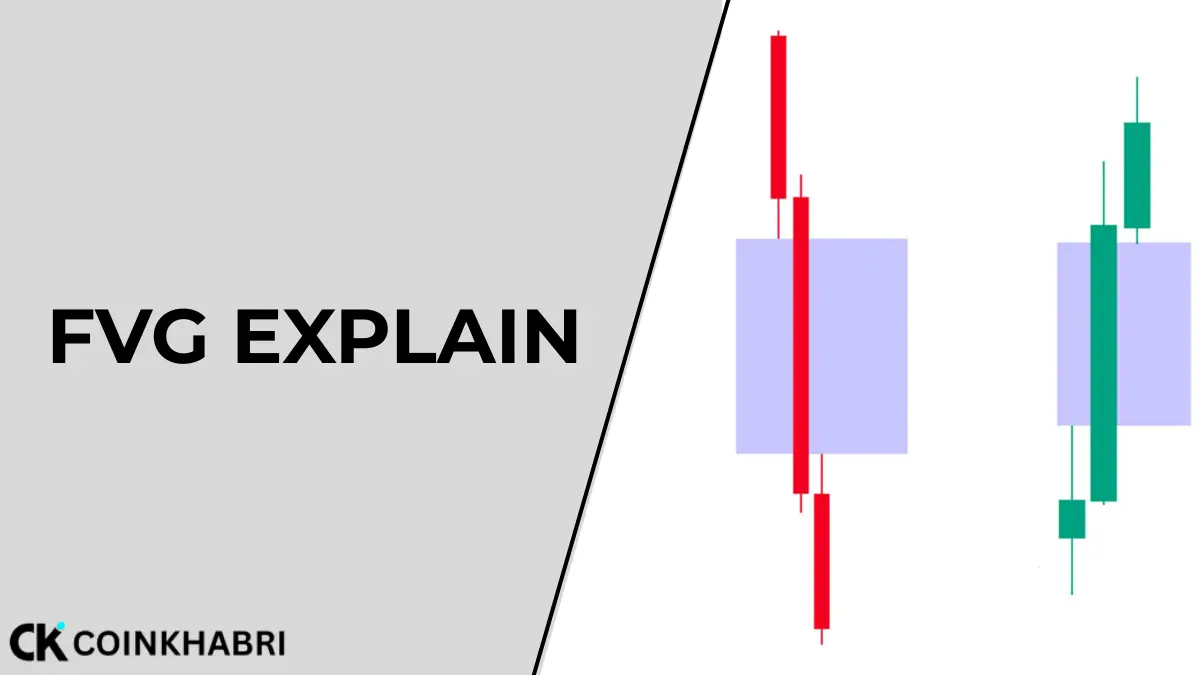
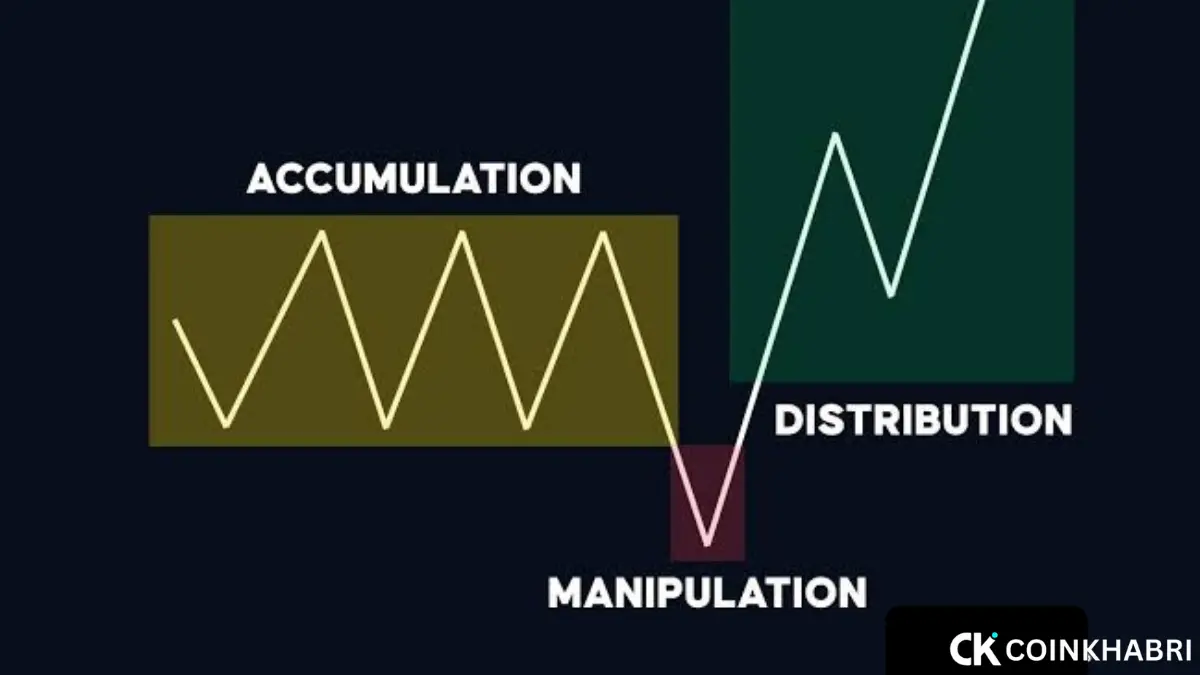
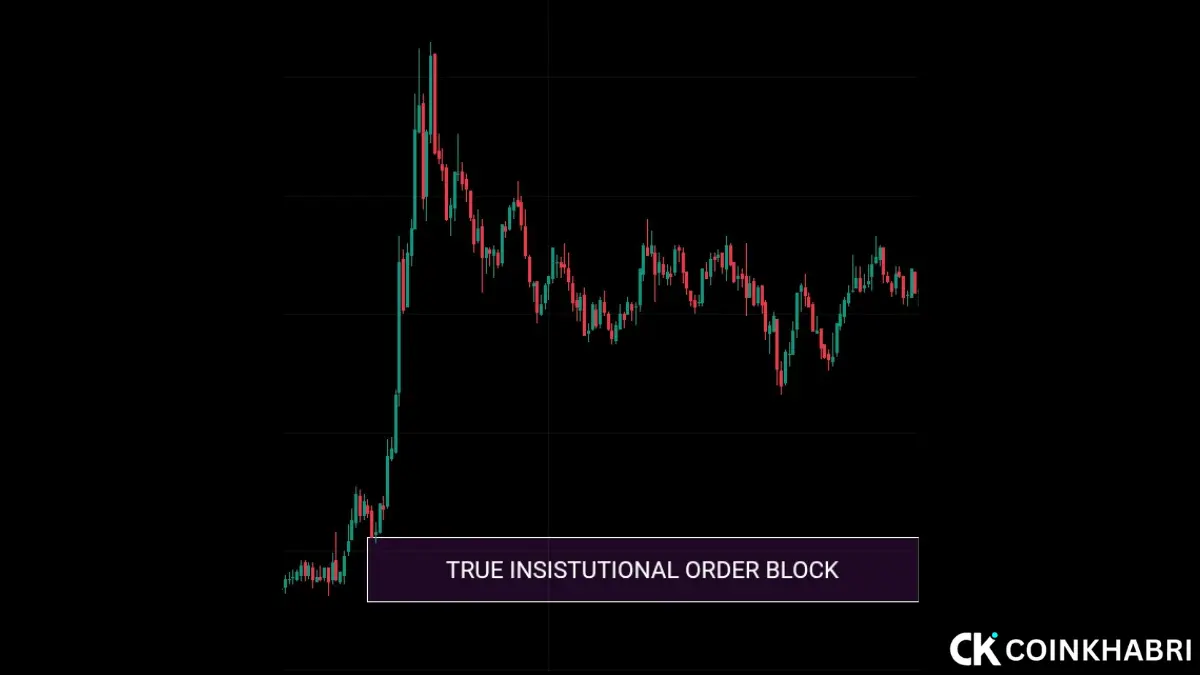
However, it doesn’t work that way. The market follows many patterns within its real trend, and there are many things to learn, such as Order Blocks, FVG (Fair Value Gaps), and Accumulation. If you want to learn all these things, click the guide below to read it. How to Use Fair Value Gap (FVG) for Scalping 5-Min Charts.
Ignoring Bitcoin Dominance and Broader Market Context
Many people do not even know what Bitcoin dominance is or how it affects altcoins and Bitcoin. Because of this, random trading causes people to lose their money.
If you want to know what Bitcoin dominance is, how it affects the market, and how it impacts altcoins, make sure to read our guide here. What is Bitcoin Dominance and How Does It Affect Altcoins?.
Revenge Trading After a Loss
Emotional trading is a silent killer. After a liquidation, many traders immediately re-enter with higher leverage to “win it back.” This spiral is what turns a single bad trade into a completely empty account.
Having No Exit Plan — No Stop-Loss, No Take-Profit
Without predefined exit points, traders let winning trades turn into losing trades and small losses turn into account-ending losses. Trading without exit rules is not a plan; it is just a hope.
Risk Management Rules for Spot Trading
Even without leverage, risk management is essential in spot trading. Ignoring it can wipe out your entire portfolio. Below, we have explained which risk management practices you should follow for spot trading.
- Diversify into quality assets instead of going all-in on a single coin.
- Use Dollar-Cost Averaging (DCA) instead of trying to time the exact bottom.
- Track your portfolio properly — whales don’t just look at price; they track allocation, correlation, and rebalancing triggers, which is exactly covered in our 2026 advanced crypto portfolio tracking guide.
- Understand the fundamentals before buying — check out our guide on what good fundamental analysis is and how it is done so you don’t hold a token with no real utility.
- Keep an eye on token unlock events, because large unlocks can crash the price even of strong projects — see our guide on what a token unlock is and how it affects the market.
Futures Trading Risk Management Rules
In futures trading, you have to follow risk management in a very strict way because it does not give you a chance to make mistakes. Where one mistake happens, the entire portfolio vanishes right there.
Never Risk More Than 1-2% Per Trade
Calculate your position size based on your stop-loss distance, not on the basis of how confident you feel. This single rule alone could have saved most liquidated accounts.
Always Set a Stop Loss Before Entry
It is mandatory for you to set a stop loss after taking a trade, rather than thinking “let’s see how far the trade goes first, then I will set a stop loss”—this is the wrong way. One wrong candle wick can liquidate your entire position without a stop loss set.
Avoid Maximum Leverage
Exchanges offer you a lot to trade with 300x leverage, but this is a very wrong way which only causes your own loss. You should always trade with only 2x or 5x leverage.
Track Market Sentiment Before Entry
Before entering, it is a good habit to check what is going on in the market, whether there is any news that is bullish or bearish, or there are many other factors for analyzing the market. That is why always check what is happening in the market before your entry.
Keep Futures and Spot Capital Separate
Never risk your entire net worth in a futures account. Many experienced traders use crypto sub-accounts so that futures risk can be isolated from their main spot holdings, ensuring that the liquidation of one account never touches their long-term investments.
Why Are the Volatile Crypto Markets of 2026 Even More Dangerous?
The 2026 crypto market has more retail participation, more leveraged products, and faster information cycles than before—fueled by AI trading bots, social media pump groups, and Telegram signal channels. This creates sharper, faster liquidity grabs that are specifically designed to trigger stop-losses and liquidate over-leveraged positions before the “real” move happens.
This is why so many traders fall victim to fake crypto signal groups on Telegram and WhatsApp—promising guaranteed profits while secretly leading followers toward high-leverage trades that benefit the group admins, not the members. Learning to identify these manipulation tactics has now become a core risk management skill, not optional.
A Simple Risk Management Framework You Can Use Starting Today
- Decide your risk per trade (1–2% of total capital, no exceptions).
- Manually calculate your liquidation price before taking any leveraged trade.
- Set your stop loss and take profit right when opening the trade.
- Check market sentiment and Bitcoin dominance before entry.
- Never revenge trade — if you get stopped out, step away for the rest of the day.
- Review your trades every week — track your win rate, average risk-reward, and emotional triggers.
Consistently following just these six steps will move most traders out of the losing 90% and into that disciplined minority who survive long enough to become profitable.
Conclusion
The difference between the winning 10% and the losing 90% is not talent or luck—it is discipline, position sizing, and a genuine understanding of how spot and futures markets behave differently. Spot trading rewards patience and fundamental research. Futures trading rewards precision, strict risk control, and emotional discipline. When you master both, you can make very good profits.