What is Crypto OTC Trading and How Does It Work?

You must have often heard news in the market that institutions bought BTC worth $50 million and the market is going to go up. Have you ever thought where these institutions get so much BTC or other crypto from?
If you think that these hedge funds buy from any exchange then you are completely wrong because if whales or anyone buys from an exchange then their large orders cannot be executed easily, which causes them to face slippage.
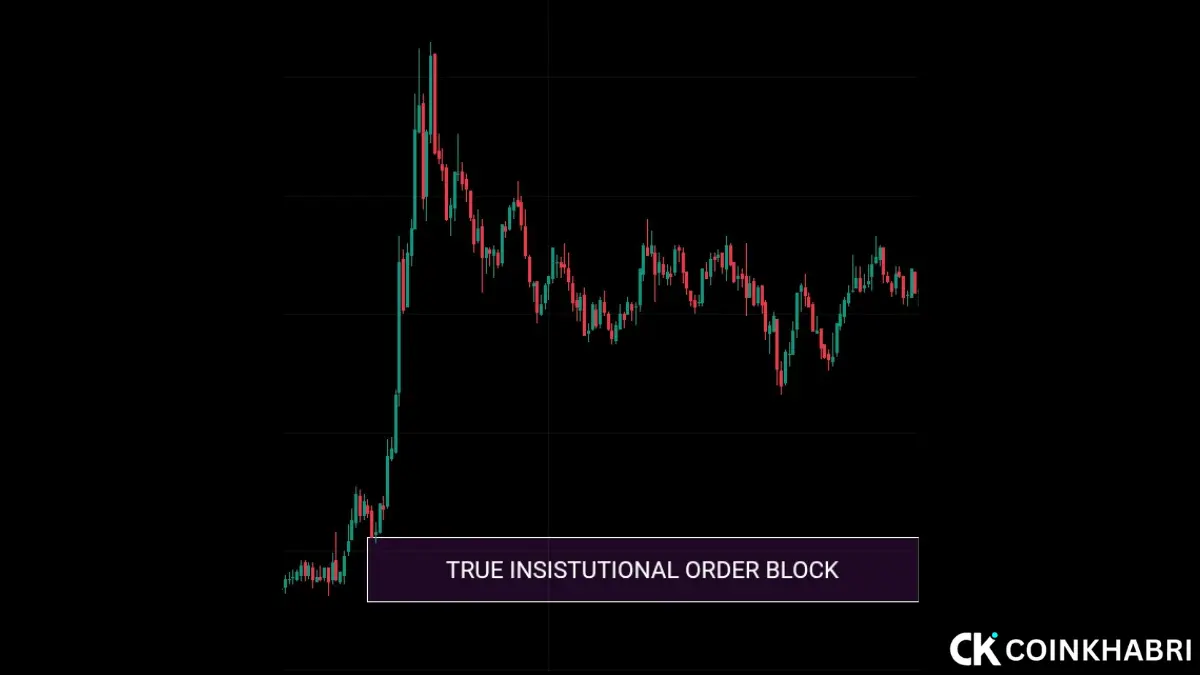
Because if anyone, whether a retail trader or institutional, places an order on an exchange, it will definitely show in the order book, which creates a risk of the market crashing or going up. So whales buy crypto through OTC trading, in which they do not face slippage and there is no risk of market crash.
If you are new in crypto and you do not know what is crypto OTC trading and where whales place their orders, then in today’s guide you will learn all of this.
Crypto OTC Trading What Is It?
OTC means “Over The Counter” — which means trading that happens outside a public exchange (like Binance or Coinbase), directly between two parties.
When you buy Bitcoin on Binance, your order is shown in a public “order book.” Anyone in the world can see that a big buyer or seller is entering the market. But when an institutional investor wants to buy $10 million worth of Bitcoin, they do not want the market to know — because if the market knows, it can move up or crash, which can cause loss to the institution.
How Do OTC Desks Work?
When a whale wants to invest somewhere, it hires an crypto OTC desk. An crypto OTC desk works like a broker. These crypto OTC desks already have such large investments available, so it helps in buying or selling.
If a whale wants to buy BTC, the crypto OTC looks at its demand. For example, if a big investor wants to buy $10 million BTC, then the crypto OTC desk hires a seller who wants to sell $10 million BTC.
When the deal between both whales is done, the crypto OTC desk takes its commission. The crypto OTC desk also uses its own funds to make big investors buy or sell. It is completely separate from the exchange, meaning when such big trades happen on any exchange, their record does not appear on the order book.
Because the crypto OTC desk already keeps enough stock so that the other side’s requirement is fulfilled. And if the investor is big and the crypto OTC desk cannot fulfill its requirement, then it completes the whale’s requirement through the agency model.
How Does an OTC Trade Work? (Step-by-Step Guide)
You have already learned what crypto OTC trade is and how it works. Now let’s also understand how crypto OTC trade happens. The step-by-step process is explained below.
Step 1: Initial Contact and Requirement Submission
The investor contacts the OTC trader through preferred channels like phone, email, or a dedicated platform. They specify their requirements, including the cryptocurrency asset they wish to buy or sell (e.g., BTC, ETH, Solana) and the exact volume involved.
Step 2: Role of the Crypto OTC Desk
If the OTC desk holds the stock in their own reserves, they act as the principal. If they connect the investor to another liquidity provider or a large investor to fulfill the requirement, the OTC desk acts as a broker.
Step 3: KYC and AML Verification
Before moving forward, the crypto OTC desk performs mandatory Know Your Customer (KYC) and Anti-Money Laundering (AML) checks on the investor to ensure compliance with security and legal regulations.
Step 4: Price Negotiation
The OTC desk provides a quote based on the investor’s specific volume requirements. Both parties then negotiate and finalize the transaction price before moving to the execution phase.
Step 5: Locking the Deal
Once the terms are agreed upon, the investor is given a brief window of 10–60 seconds to lock in the deal. During this time, they must decide whether to confirm or reject the trade based on the quoted price.
Step 6: Payment and Settlement
After the deal is locked, the investor transfers the payment to the OTC desk via stablecoin or bank transfer. Once the payment is verified, the OTC desk releases the digital assets to the investor’s wallet, completing the settlement.
Who uses Crypto OTC Trading
The list of people who use OTC desks can be seen below.
- Hedge Funds & Asset Managers
- Institutional Investors
- Crypto Miners
- High Net Worth Individuals
- Corporate Treasuries
- ETF Issuers
- Crypto Exchanges
How to avoid risks in Crypto OTC Trading
Where crypto OTC trading has many benefits, it also has disadvantages, so it is important to avoid these risks, otherwise you may suffer a very big financial loss in the future.
As this trend is increasing, fake crypto OTC platforms are also coming into the market and doing scams, so you should only trade with licensed OTC platforms.
You must always check the price quotes given by OTC. You should go to 3–4 licensed crypto OTC desks, compare all the prices, and then make a deal.
In crypto OTC platforms, there can also be corrupt employees who leak your information, so always be careful and trade safely.
Difference between Crypto OTC Trading and Exchange Trading
This table provides a quick breakdown of how these two methods differ, helping you choose the right approach for your trading needs.
| Feature | Crypto OTC Trading | Exchange Trading |
| Execution Method | Direct (One-to-One) | Order Book (Matching Engine) |
| Price | Fixed (Negotiated) | Fluctuating (Market Price) |
| Market Impact | None (No slippage) | High (Potential for slippage) |
| Transaction Size | Best for Large/Institutional | Best for Small/Retail |
| Privacy | High (Private settlement) | Publicly visible order flow |
| Liquidity | Provided by Desk/Broker | Provided by Market Participants |
| Speed | Near-instant once locked | Dependent on market depth |
Why the Choice Matters
The fundamental difference lies in how your order interacts with the market. While Exchange Trading is ideal for small, frequent trades where you can rely on the automated order book to find a counterparty, it can be risky for large “whale” transactions. In an exchange, a massive buy or sell order can cause significant “slippage,”
Where your own trade pushes the market price against you. Conversely, Crypto OTC Trading bypasses the public order book entirely, allowing you to negotiate a fixed price privately and ensuring that your large volume does not trigger unnecessary market volatility or alert other traders to your position.
Since OTC trading often involves moving large volumes of capital, it is critical to keep your funds safe at every step. If you want to learn how to keep your crypto safe, check out our guide: Protect Your Digital Assets
Conclusion
Crypto OTC trading is an important and necessary partner for big institutional investors, whales, and miners around the world. It provides a way to trade large volumes without moving the market. If exchanges provide ease for normal retail traders, then for whales OTC desks provide slippage protection, zero market impact, and the security of private transactions.