FBR Crypto Tax Rules 2026 in Pakistan: Legal ya Taxed?
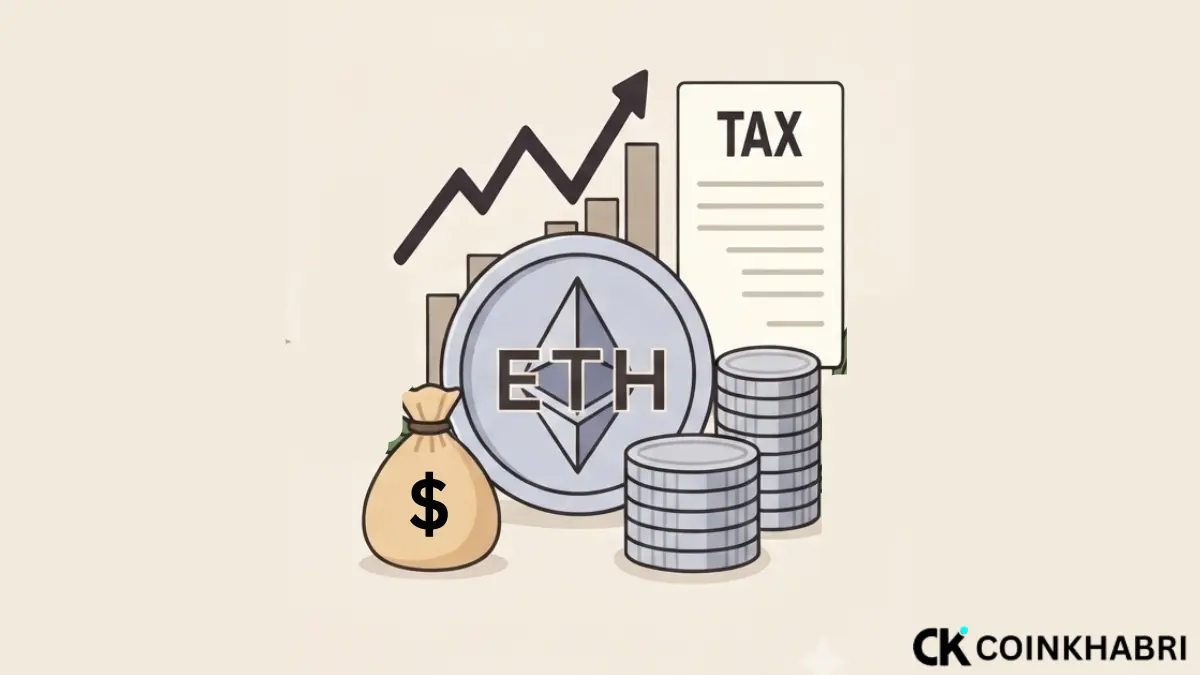
If you live in Pakistan and you are earning through cryptocurrency, a question comes to your mind: what are the FBR Crypto Tax Rules 2026 in Pakistan?
A new organization in Pakistan has made PVARA (Pakistan Virtual Assets), whose job is to keep an eye on tax, scams, and money laundering on digital assets and cryptocurrency in Pakistan, and it was introduced in Pakistan in 2026.
In today’s guide, I will tell you completely what is the FBR Crypto Tax Rules 2026 in Pakistan?, whether it is legal or illegal, and everything in detail in today’s guide itself.
Quick Answer: Is Crypto Legal in Pakistan in 2026?
Yes – with some conditions.
Cryptocurrency is now legal in Pakistan in 2026, whereas in 2018 crypto was not legal in Pakistan. For this purpose, the PVARA organization has been created in Pakistan in 2026, whose job will be that whichever exchange operates in Pakistan will have to get a license from PVARA, or token-issuing companies and other things that are necessary in crypto will have to get a license or no objection certificate (NOC) from PVARA. If you want to know about this in complete detail, then read our this guide Pakistan Virtual Assets Act 2026 and PVARA Explained.
What is PVARA and How Does It Affect Your Tax?
PVARA does not collect tax itself — that is FBR’s job — but PVARA decides who can legally offer crypto services in Pakistan, and this licensing status directly affects how FBR treats your transactions. Only those trades that happen through PVARA-licensed or NOC-holding platforms are considered to have come through a “recognized” channel.
Binance and HTX are among the first global exchanges that started this licensing process, and the State Bank of Pakistan has also allowed banks to open accounts for PVARA-licensed virtual asset service providers.
Many people think that if they trade on such a platform that is not registered or is from outside Pakistan, then they will not have to pay tax. This thinking is wrong; according to the law, you still remain within the scope of tax.
The only difference it makes is that trading on offshore platforms does not save you from tax, but keeping a record of your transactions and documenting them becomes difficult. This same undocumented crypto income is what attracts Federal Board of Revenue (FBR) audits and notices (meaning FBR’s eye falls on such income quickly).
FBR Crypto Tax Rules 2026 in Pakistan
Now let’s talk about the most important thing that comes to people’s minds: how much tax will be charged on the trading we are doing, and how will the tax reach the FBR, because in 2026, rapid changes are coming regarding crypto tax, which are explained in detail below.
Capital Gains Tax on Crypto Trading
For most of 2026, the FBR and multiple crypto-education sources referenced a flat 15% Capital Gains Tax (CGT) on crypto trading profits.
Well, one thing to know in this is that if you hold crypto, in that case you will not have to pay tax, or you will have to pay tax when you swap your crypto with another coin or spend your crypto, then you will have to pay tax.
And losses tax has not been stated yet, meaning if you make a loss in crypto, whether tax can be adjusted.
However, under the Finance Bill / Finance Act 2026-27, the Finance Ministry and FBR — under pressure from the IMF program to widen the tax base — proposed expanding Section 37 of the Income Tax Ordinance 2001 specifically to cover crypto gains. In this, rates ranging from 10% to 30% according to filer status were discussed, before the National Assembly passed the wider Finance Bill 2026-27 in June.
Important Note: Since every official channel had not separately confirmed the crypto-specific final rate by this time, therefore the 15% tax was not agreed upon, rather always check the current rate on the official website of FBR and PVARA before filing.
Income Tax on Mining, Staking, and DeFi
Mining income, staking rewards, and DeFi yield are treated completely differently from normal trading gains. They are classified as business income or “income from other sources”, and are taxed according to Pakistan’s normal progressive income tax slabs — which can go up to 35% depending on your total annual income.
This tax is different from capital gains tax, and this tax applies based on the market value of the tokens at the time you receive them, and later when you sell these earned tokens in the market, a separate Capital Gains Tax may also apply at that time.
If you don’t know anything about DeFi staking and you want to earn from it, read our this guide How to Earn Money from DeFi Pools 2026.
Filing Deadlines and IRIS Portal: How to File Crypto Returns?
Reporting crypto gains to the FBR through the IRIS e-filing portal is mandatory, where the deadline for salaried individuals is September 30 and for business income filers or corporate entities it is October 30. While filing the return, you generally have to select the capital gains category and attach CSV transaction records exported from exchanges for verification.
Penalties for Non-Compliance
The Virtual Assets Act 2026 and the FBR enforcement rules coming with it have shown a lot of strictness this time. If any unlicensed platform operates, it can face a fine of up to PKR 50 million and up to five years in prison. Similarly, a law has been made for unauthorized token promotions or fundraising with a fine of up to PKR 25 million and three years in prison punishment.
If any individual trader violates the rules or hides their crypto trades (keeps unreported trades), there are very strict actions from the FBR side. If the FBR finds out, you will have to pay a back tax penalty in the penalties.
Common Myths About FBR Crypto Tax Rules 2026 Pakistan
Ever since crypto became legal in Pakistan, it has been known from social media, WhatsApp chats, and other sources that some people are spreading such myths due to which crypto users could face trouble later. Below, the myths and their realities are explained.
Trading on offshore or unlicensed platforms means you don’t have to pay tax.
This thinking is completely wrong. According to the law, you still remain within the scope of tax. The only difference is that documenting transactions on offshore platforms becomes difficult, and this exact undocumented crypto income attracts FBR audits and notices.
Crypto holdings are taxed all the time.
Profit is only taxed when you actually sell, swap, or spend the asset (meaning a “realized” gain occurs). No tax is charged just for sitting and holding crypto in your wallet or exchange.
Capital Gains Tax also applies to Mining and Staking rewards.
Mining income, staking rewards, and DeFi yield are treated differently from trading gains. They are classified as business or “income from other sources”, which are taxed under Pakistan’s normal progressive income tax slabs (which can go up to 35%) — and these are separate from the CGT that applies when selling these tokens later.
Failing to file FBR returns or breaking rules only results in a small fine.
Under the Virtual Assets Act 2026, there is a lot of strictness on non-compliance. There are heavy fines and prison sentences for unlicensed platforms or unauthorized fundraising. Whereas for individual traders, heavy penalties, back taxes, and even cases of bank accounts freezing have come to light for unreported trades.
Conclusion
Crypto is legal, PVARA now licenses every legitimate platform, and the FBR expects you to report your gains through IRIS by standard deadlines. The safest way to move forward is simple: trade on licensed platforms, keep clean transaction records, and understand which of your activities count as taxable events.